Malaga Weather by Month 2026: Best Time to Visit & What to Expect
Malaga gets 300 days of sunshine a year. It's not marketing copy – it's the reason the city has been a winter destination since the Victorians discovered it. The question isn't whether the weather is good. It's which kind of good suits your Malaga trip.
This guide covers every month with honest assessments: what temperatures actually feel like, when the sea is worth swimming in, and which months bring crowds, festivals, or the occasional real downpour.
Quick Takeaways
- ✓April, May, and October are the sweet spot: warm, not crowded, beach possible, prices fair.
- ✓July and August: 32°C, beaches packed, maximum prices. Book everything months ahead.
- ✓Sea reaches comfortable swimming temperature (20°C+) in June. September is warm water without August crowds.
- ✓Winter (November–February): 17–18°C, quiet streets, no queues, cheap accommodation.
- ✓Rain falls mainly October–February but rarely all day. Indoor culture fills any grey weather.
- ✓Semana Santa (late March/early April): spectacular but biggest spring crowds. Book 3–4 months ahead.
Here is every month, with the timing details that make the difference.
Malaga Weather by Season
Sea temperature reaches 22°C in June, peaks at 25°C in August.
Malaga Weather in January
The quietest month in Malaga – the city belongs to locals without a queue in sight.
January is the quietest month in Malaga. The city belongs to locals – the promenade, the tapas bars, the Atarazanas Market – without a queue in sight. Daytime temperatures of 17°C mean a light jacket for mornings and evenings, but proper winter clothing is unnecessary.
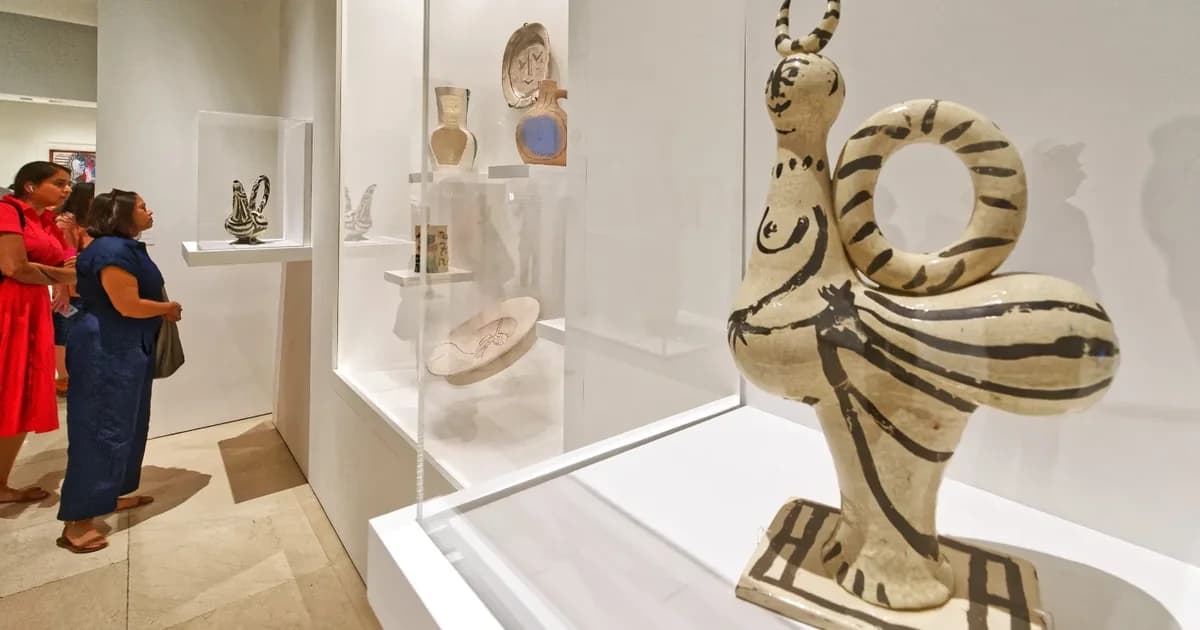
Rain comes in bursts rather than persistent drizzle. A January week typically mixes 3–4 clear days with 2–3 overcast or showery ones. It's not beach weather, but it's excellent for the Alcazaba, Picasso Museum, cathedral, and long lunches without the August guilt.
The sea at 15°C is for the exceptionally committed. The Hammam Al Ándalus – the Moorish baths in the historic centre – makes more sense as a January activity than it does in July.
January highlight: Three Kings parade on the evening of 5th January – one of the most important Spanish traditions, celebrated with genuine local fervour. The procession through the city centre is worth being here for.
Packing: Light layers, a waterproof jacket, comfortable walking shoes.
Malaga Weather in February
The month Malaga starts to remind you why people move here – almond trees bloom, light sharpens, still quiet.
February is the month Malaga starts to remind you why people move here. The light changes – sharper and warmer than January – and almond trees in the hills above the city begin to bloom. It's still low season, still quiet, still cheap.
Daytime 18°C is genuinely pleasant for walking. The Caminito del Rey at this time of year is ideal: the gorge is at its most dramatic in winter light, the path isn't crowded, and tickets are available without the weeks-ahead booking required in summer.
The Montes de Malaga Natural Park above the city is at its best in February – green from winter rain, almond blossom visible on the hillsides, and essentially empty.
February highlight: Day of Andalusia is 28 February – the Picasso Museum offers free entry, and there are events across the city.
Packing: Same as January. A layer system works well – mornings and evenings need a jacket; sunny afternoons are genuinely mild.
Malaga Weather in March
Transitional but strongly positive – days longer, city waking up, beach clubs reopening.
March is transitional but strongly positive. The days are noticeably longer, temperatures push into the low 20s by the end of the month, and the city starts to wake up. Beach clubs on the Torremolinos coast begin their season. Boat tours on the port are back in full operation.
Rainfall drops compared to February. There are still grey days, but the rhythm tilts toward sun. The sea at 16°C is still cold for most people, but the warmth on the promenade on a calm March afternoon is genuinely seductive.
Semana Santa (Holy Week) falls in late March or early April – in 2026 it starts 29 March. Expect nightly processions, the biggest spring crowds, and accommodation booked 3–4 months ahead for this window.
March highlight: Semana Santa processions are among the most impressive in Andalusia – the Malaga brotherhoods are known for their elaborate floats and emotional intensity.
Malaga Weather in April
The first month when everything clicks – warm, comfortable, crowds not yet arrived.
April is the first month when everything clicks. Warm enough for full beach days for acclimatised visitors, genuinely comfortable for all-day sightseeing, and the crowds haven't arrived yet. The beaches east of the city – Pedregalejo, El Palo – are at their most pleasant: warm and mostly local. The sea at 17°C is cool but swimmable for the reasonably determined.
Day trips are ideal in April. Ronda and the white villages are green from winter rain, the light is extraordinary, and the roads are quiet. Nerja and Frigiliana hit a particular peak in April – the coast road is uncrowded and the bougainvillea is in early bloom.
April highlight: The city post-Semana Santa has a particular energy – festival atmosphere giving way to a quieter, warmer spring pace.
Malaga Weather in May
Consistently rated the best month by repeat visitors – 10 hrs sunshine, sea approaching swimmable, crowds still a month away.
May is consistently rated the best month by visitors who've been to Malaga more than once. 24°C, 10 hours of sunshine, sea approaching swimmable temperature, and the summer crowds still a month away. Restaurant terraces are full but not frantic. The rooftop bars open for the season.
The sea at 19°C crosses the psychological threshold for most swimmers. By late May it's pushing 20°C and the first beach days of the year genuinely feel like summer.
May is the best month for the 3-day Malaga itinerary – every attraction is open, the light is perfect, and the city has energy without being overwhelmed. It's also the last month when you can book accommodation a few weeks ahead rather than months.
May highlight: International Museum Day is 18 May – the Picasso Museum and several others offer free entry.
May is the month every travel blog recommends – Caminito del Rey weekend slots sell out 3–4 weeks ahead and Alhambra tickets disappear fast. Book active attractions the moment your dates are fixed.
Malaga Weather in June
Start of proper summer – 29°C, sea at 22°C, essentially no rain, beach season in full swing.
June is the start of proper summer. 29°C, sea at 22°C, essentially no rain, and the beach season in full swing. The Alcazaba and Picasso Museum still have manageable queues in early June. By the last two weeks, the peak season crowds have arrived and morning visits before 10:00 become the strategic choice.
Sunset catamaran tours are at their best in June – warm evenings, long golden hours, and the bay at its most inviting. Book at least a week ahead.
June highlight: Noche de San Juan (23rd June) – bonfires on the beaches across the Costa del Sol, locals swimming at midnight, an entirely Spanish midsummer ritual that visitors rarely know about and always remember.
Malaga Weather in July
Malaga at maximum intensity – structure the day around heat: early starts, long lunches, late evenings.
July is Malaga at maximum intensity – 32°C, virtually no cloud, and the most tourists of the year. The city works if you structure it correctly: early starts, long lunches in the shade, late afternoon revival, evening into the night. This is the month Malaga's schedule of 21:00 dinners and 23:00 bar terraces makes perfect sense.
The Alcazaba before 10:00 is manageable. After 11:00 in July it's hot, busy, and the midday light is flat for photography. The sea at 24°C is excellent. The beaches east at Pedregalejo and El Palo are slightly less crowded and more local in character than La Malagueta.
Book Picasso Museum tickets online before you travel. Walk-up queues in peak summer add 30–45 minutes. Last two hours on Sundays are free – arrive at 17:15.
July highlight: The city's nightlife peaks in July. The rooftop bars are at full capacity; the port area and Muelle Uno are busy until 02:00.
Malaga Weather in August
Peak of the peak – warmest sea (25°C), most visitors, and the Feria de Málaga in the second week.
August is the peak of the peak. The hottest nights, the warmest sea (25°C), the most visitors, and – in the second week – the Feria de Málaga, the city's biggest annual festival. The Feria runs for nine days with flamenco, fireworks, and the historic centre transformed into a continuous outdoor party that runs until dawn.
Accommodation in August is at maximum price. Book 3–4 months ahead for anything central. For the Feria week specifically, 6 months is not excessive for the better hotels.
The sea in August is at its absolute best – warm, calm in the mornings, and high water clarity. Sunset catamaran cruises are the standout experience; book at least 3 weeks ahead.
August highlight: Feria de Málaga (second week of August) – the biggest celebration in the city's calendar. If you're here for it, clear your schedule for at least two full evenings.
Feria week is the one time Malaga genuinely sells out. Central hotels go 6 months ahead. If August is your window: fix the dates, then immediately book accommodation and the one or two things you cannot miss.
Malaga Weather in September
August minus the crowds – arguably the best beach month of the year.
September is August minus the crowds – and arguably the best beach month of the year as a result. 28°C, sea still at 23°C, and a significant drop in visitor numbers from the August peak. Accommodation prices fall back to sensible levels. Restaurant tables are available without a week's notice.
Early September still feels like full summer. From mid-September the evenings start cooling, which makes outdoor dining more comfortable rather than less. The beaches are enjoyable well into the afternoon without the sardine-tin conditions of August.
Day trips work well in September – Granada and Ronda are still in summer operation but noticeably less crowded than August.
September highlight: World Tourism Day (27 September) – free entry to the Picasso Museum.
Malaga Weather in October
The autumn sweet spot – 24°C, sea still warm at 21°C, tourist season essentially over.
October is the autumn sweet spot. 24°C, sea still at 21°C and genuinely warm, and the tourist season essentially over. The city reverts to its own rhythm – markets, local restaurants, the pace of everyday Malaga life that gets displaced in summer.
Rain returns in October, mainly in the second half of the month. But it rarely dominates – a rainy October day in Malaga still tends to have sun in it somewhere. The Alcazaba and Picasso Museum have no queues. The Caminito del Rey is excellent – the gorge vegetation has turned, the light is softer, and tickets are available without weeks of advance booking.
October is the best month for hiking. El Torcal, Sierra de las Nieves, the hills above Frigiliana – all are comfortable at these temperatures, green from the first autumn rain, and largely empty.
October highlight: Museum Anniversary (27 October) – free entry to the Picasso Museum, commemorating its 2003 inauguration.
Malaga Weather in November
Malaga's best-kept secret – 20°C afternoons, city entirely quiet, accommodation 40–50% cheaper than August.
November is Malaga's best-kept secret. 20°C in the afternoon, the city entirely quiet, and the full cultural offer of the place with none of the summer friction. The Picasso Museum, Alcazaba, and cathedral are walk-in visits. The best restaurants have tables available at short notice.
November has more rainy days than October but the pattern is the same – showers, then sun. It's not the month for a purely beach trip, but as a base for culture, food, day trips, and understanding what Malaga actually is when it's not performing for visitors, November is hard to beat.
Accommodation hits its lowest prices of the year in November – often 40–50% below August rates for the same hotels.
November highlight: The city Christmas lights on Calle Larios are switched on in late November – one of the most impressive light installations in Spain, and completely crowd-free compared to December.
Malaga Weather in December
A different category of winter – 18°C feels genuinely mild from northern Europe, Calle Larios lights are spectacular.
December in Malaga is a different category of winter from northern Europe. 18°C and sunshine feels genuinely mild when you've come from grey cold. The Christmas decorations on Calle Larios and the surrounding streets are celebrated across Spain – worth seeing in their own right.
Evenings drop to 8°C and a proper coat is needed after dark. Rain is the month's main unpredictability – December and January are the wettest months, but the showers tend to be intense and passing rather than persistent.
The Alcazaba on a clear December morning, empty of tourists, with the light low and golden on the Moorish stonework, is one of Malaga's best experiences at any time of year. It just requires coming in winter to find it.
December highlight: Three Kings procession preparation begins in late December. Christmas market on the promenade. The Calle Larios light show runs through 5th January.
Best Time to Visit Malaga
There's no bad month – but there are better fits depending on what you're after.
Choose this if...
Choose this if...
Choose this if...
Avoid this if...
Once your dates are set: book the Alhambra first (sells out 3–4 weeks ahead in April–October), then Caminito del Rey, then accommodation. Everything else can wait.
FAQ – Malaga Weather and Best Time to Visit
When is the best time to visit Malaga?+
What is Malaga weather like in winter?+
Does it rain a lot in Malaga?+
What is the sea temperature in Malaga?+
Is Malaga good for a holiday in November?+
Can you swim in the sea in Malaga in May?+
What should I pack for Malaga in summer?+
What should I pack for Malaga in winter?+
Is Malaga good for a Christmas holiday?+
Sources: AEMET (Agencia Estatal de Meteorología), Ayuntamiento de Málaga, Museo Picasso Málaga (March 2026).